
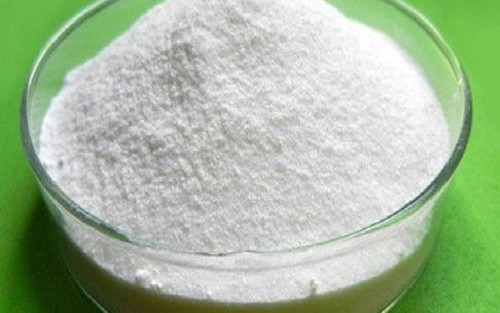
Sodium Metabisulfite
Sodium metabisulfite is an inorganic salt, specifically the sodium salt of disulfurous acid (also known as pyrosulfurous acid). It's a white or yellowish-white crystalline powder with a sulfurous odor. It's widely used as a preservative, antioxidant, and reducing agent in various industries, including food, water treatment, and photography.
Here's a more detailed look:
Chemical Properties:
Formula: Na?S?O?
Appearance: White to yellowish-white crystalline powder
Solubility: Highly soluble in water
Odor: Slight sulfurous odor
Decomposition: Decomposes when heated, releasing toxic sulfur dioxide fumes
Uses:
Food Preservation: It acts as a preservative in various food products like dried fruits, wine, and pickled vegetables, preventing spoilage and extending shelf life.
Water Treatment: It removes chlorine and chloramines from water, making it suitable for various applications like aquariums and industrial processes.
Antioxidant: It acts as an antioxidant, preventing oxidation in food and other products, thus preserving their quality and color.
Reducing Agent: It's used as a reducing agent in various chemical reactions, including textile dyeing and photography.
Pharmaceuticals: It's used in some pharmaceutical formulations.
Other: It can be found in cosmetics and sanitizers.
Safety:
Allergies: Some individuals are allergic to sulfites, including sodium metabisulfite, and may experience allergic reactions.
Irritant: It can be an irritant to skin and mucous membranes.
Toxicity: High concentrations or prolonged exposure can be harmful.
In essence, sodium metabisulfite is a versatile chemical compound with diverse applications, primarily due to its preservative, antioxidant, and reducing properties.