
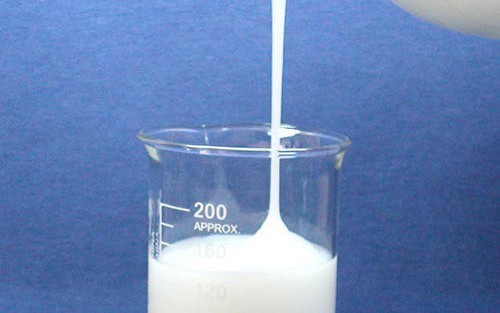
Defoamer
A defoamer, also known as an antifoaming agent, is a chemical additive used to reduce or eliminate foam in industrial process liquids. These additives work by destabilizing foam, reducing surface tension, and enabling air bubbles to rupture, preventing or removing foam that can hinder various industrial processes.
Here's a more detailed description:
What it is: Defoamers are chemical compounds designed to control or eliminate foam in liquids. They are used in a wide range of industrial applications to improve efficiency and product quality.
How it works:
Destabilizing foam: Defoamers disrupt the structure of foam, causing it to collapse.
Reducing surface tension: They lower the surface tension of the liquid, making it less likely to form foam in the first place.
Rupturing air bubbles: Defoamers help break down the air bubbles that make up foam, causing them to coalesce and release trapped air.
Key characteristics:
Effectiveness:
Defoamers need to be effective at reducing or eliminating foam without negatively impacting the process or product.
Compatibility:
They should be compatible with the other chemicals and materials used in the process.
Dosage:
Proper dosage is crucial. Too little defoamer may not be effective, while too much can lead to other issues.
Common applications:
Food processing: Used in the production of fried foods, beverages, and other food products to control foam.
Wastewater treatment: Helps manage foam generated during treatment processes.
Pulp and paper industry: Used to control foam during paper manufacturing.
Oil and gas industry: Used in extraction, processing, and storage to prevent foam-related issues.
Technical applications: Used in cleaning, cement mixing, and other industrial processes to control foam.
Textile industry: Used to prevent foam during dyeing and other processes.
Fermentation processes: Used in sugar processing, antibiotic manufacturing, and other fermentation-based industries.
Types of defoamers:
Silicone-based: Widely used due to their effectiveness and versatility.
Oil-based: Can include mineral oils, vegetable oils, and other oils.
Surfactant-based: Use surfactants to disrupt foam structure.
Alcohol-based: Can be used in various applications.